

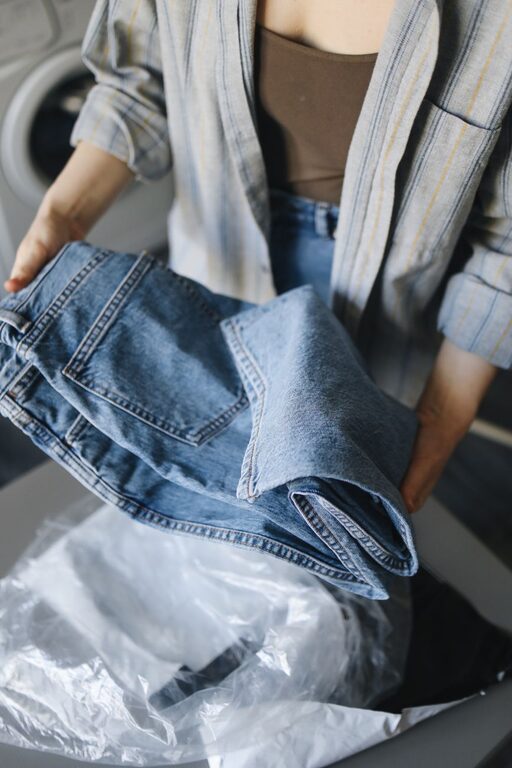
Clothes can last much longer when they receive the right care. Small changes to your laundry and storage habits can help prevent fading, shrinking, stretching, pilling, and other common types of wear. You may also save money by replacing fewer items and get more use from the clothes you already own.
Here are practical tips for caring for your clothes at every stage, from buying and washing to drying, storing, and repairing.
Read the Care Label
The care label is one of the best sources of information about a garment. It explains how to wash, dry, iron, and clean the item safely.
Before laundering a new piece of clothing, check the label for instructions such as:
– Water temperature
– Hand washing or machine washing
– Use of bleach
– Tumble drying
– Air drying
– Ironing temperature
– Professional cleaning
If the label recommends hand washing or air drying, those instructions are usually intended to protect the fabric, shape, or color. When you are unsure, choose the gentlest option. Cold water, a delicate cycle, and air drying are often safer than hot or high-heat methods.
Wash Clothes Only When Needed
Washing is necessary for cleanliness, but frequent washing can wear down fabric fibers. Heat, detergent, water movement, and friction all affect clothing over time.
Not every item needs to be washed after one use. Consider wearing some clothes more than once if they are still clean and fresh. This may work well for:
– Jeans
– Sweaters
– Jackets
– Pajamas
– Skirts
– Casual trousers
Items worn close to the body, such as underwear, socks, workout clothing, and shirts, generally need more frequent washing. Use your judgment based on the garment, the activity, and how long it was worn.
Between wears, hang clothes in a well-ventilated area. Letting fabric air out can reduce odors and help you decide whether it truly needs a full wash.
Sort Laundry Carefully
Sorting laundry helps prevent color transfer and protects delicate items from rough fabrics.
At a minimum, separate clothes into:
– Whites and light colors
– Dark colors
– Bright or strongly colored items
– Towels and heavier fabrics
– Delicate garments
Also consider sorting by fabric weight. Heavy items such as jeans, towels, and sweatshirts can rub against lightweight fabrics and cause unnecessary wear. Washing them separately can help protect softer clothes.
Turn dark and printed garments inside out before washing. This reduces direct rubbing on the outer surface and can help preserve color and printed designs.
Choose the Right Water Temperature
Cold water is suitable for many everyday loads and can help reduce fading and shrinkage. It is also gentler on fabric fibers than hot water.
Warm water may be useful for items that need stronger cleaning, but always follow the care label. Hot water can cause some fabrics to shrink, weaken, or lose their color.
A simple approach is to use:
– Cold water for dark colors and most everyday clothing
– Warm water when recommended for more heavily soiled items
– The temperature listed on the care label for special fabrics
Use Less Detergent
Using more detergent does not always result in cleaner clothes. Excess detergent can remain in the fibers, make fabric feel stiff, and attract dirt.
Follow the measuring instructions on the detergent package, adjusting the amount for the size of the load. If your clothes are only lightly soiled, you may need less than the maximum recommended amount.
Avoid adding too many clothes to the washer. An overloaded machine prevents items from moving freely, which can lead to poor cleaning and extra creasing. It also increases friction between garments.
Protect Delicate Clothing
Delicate items need extra care because their fibers, seams, buttons, and decorations can be damaged easily.
Helpful habits include:
– Place delicate garments in mesh laundry bags
– Fasten zippers and hooks before washing
– Unbutton shirts to reduce stress on the buttons
– Remove belts and detachable accessories
– Use a gentle or delicate cycle
– Avoid washing delicate items with heavy clothing
For fine knits, lace, or garments with detailed decorations, hand washing may be the safest option. Do not twist or wring these items. Instead, press out excess water gently and reshape the garment while it is damp.
Dry Clothes With Care
The dryer is convenient, but heat can cause shrinking, fading, and fiber damage. High heat may also weaken elastic and make some garments lose their original shape.
When possible, air dry clothing. Use a drying rack or hang items in a clean, well-ventilated space. Keep colored clothing out of strong direct sunlight, which can cause fading.
Some garments should be dried flat rather than hung. Sweaters and other stretchy knits can become misshapen when wet and suspended from a hanger. Lay them on a clean towel or drying rack, following the original shape of the garment.
If you use a dryer, choose a lower heat setting and remove clothes while they are slightly damp. This can reduce overdrying and make wrinkles easier to manage.
Use Hangers Correctly
The right hanger can help clothing keep its shape. Use sturdy, properly sized hangers for jackets, coats, and structured shirts. Avoid thin wire hangers for long-term storage, as they may leave dents in the shoulders.
Knitwear and heavy sweaters are usually best folded. Hanging them can stretch the shoulders and cause the fabric to lose its shape.
Leave enough space between garments so air can circulate. Crowded closets can lead to wrinkles, trapped odors, and difficulty finding what you need.
Remove Stains Quickly
Fresh stains are usually easier to treat than old, dried stains. When a spill happens, gently blot the area with a clean cloth instead of rubbing it. Rubbing can push the stain deeper into the fibers or spread it across the fabric.
Check the care label before using a stain remover. Test any product on a hidden area first, especially on dark, bright, or delicate clothing.
Do not place a stained garment in the dryer until the stain is gone. Heat can set some stains and make them much harder to remove.
Prevent and Manage Pilling
Pilling occurs when small fiber balls form on the surface of fabric, often because of friction. It is common on sweaters, fleece, and other soft materials.
To reduce pilling:
– Wash garments inside out
– Use a gentle cycle
– Keep rough items separate
– Avoid overloading the washer
– Store clothes so they do not rub together constantly
A fabric shaver or sweater comb can carefully remove existing pills. Work slowly and follow the tool’s instructions to avoid catching or cutting the fabric.
Store Seasonal Clothes Properly
Before storing seasonal clothing, make sure each item is clean and completely dry. Food, body oils, and moisture can attract pests or create odors during storage.
Fold clothes neatly and place them in breathable storage containers when possible. Avoid sealing natural fabrics in damp or poorly ventilated spaces. Keep storage areas cool, dry, and away from direct sunlight.
For long-term storage, review your clothes occasionally. Refolding items and checking for moisture or damage can help prevent problems from going unnoticed.
Repair Small Problems Early
A loose button, small hole, or split seam can become a larger issue if ignored. Basic repairs often take only a few minutes and can extend the life of a garment.
Keep a small repair kit with:
– Needles
– Thread in common colors
– Small scissors
– Spare buttons
– Safety pins
– A measuring tape
Repairing clothes does not require advanced sewing skills. Simple fixes, such as sewing on a button or closing a small seam, can make a noticeable difference. For complex repairs, consider taking the garment to a professional tailor or alterations shop.
Build Better Clothing Habits
Caring for clothes longer is mostly about consistency. Read the label, wash thoughtfully, use less heat, and give garments enough space to dry and rest between wears.
When you take a few extra minutes to care for your clothing, you help preserve its color, fit, and comfort. These habits can keep your wardrobe in better condition and make your favorite pieces useful for many more seasons.