

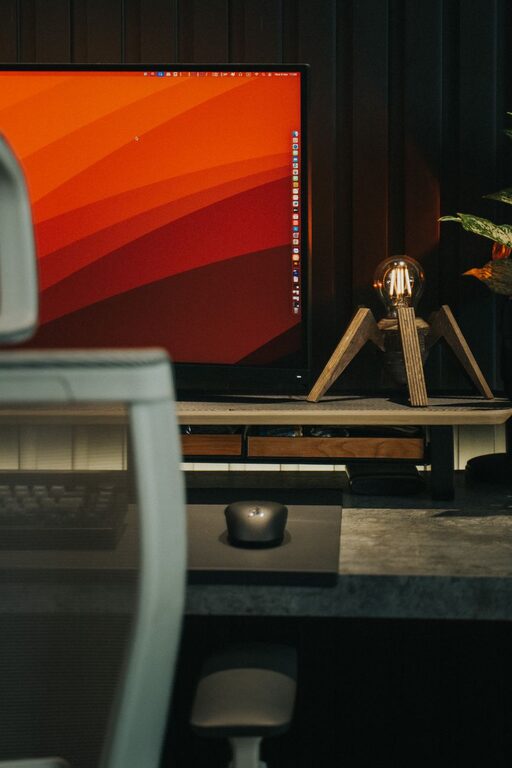
Working from home offers flexibility, but it can also make it harder to concentrate. Household chores, notifications, family members, and an informal workspace can quickly interrupt your attention. The good news is that better focus usually comes from a few practical changes rather than a complete lifestyle overhaul.
By creating a clear work routine, organizing your space, and using simple time management techniques, you can make focused work easier and more consistent.
Create a Dedicated Work Area
A dedicated workspace helps separate work time from personal time. You do not need a large home office. A desk in a quiet corner, a kitchen table, or another consistent location can work well.
Try to make your work area:
– Comfortable enough for extended use
– Well lit, preferably with natural light
– Free from unnecessary clutter
– Equipped with the tools you use most often
– Separate from places where you relax, when possible
Keep only essential items on your desk. Extra papers, devices, and household items can create visual distractions. At the end of the day, spend a few minutes clearing the area so it feels ready for the next work session.
If you share your home with others, let them know when you are working. A closed door, sign, or simple message can help communicate when you should not be interrupted.
Start With a Clear Plan
It is easier to focus when you know what you need to accomplish. Before beginning work, write down your main priorities for the day.
A useful daily plan might include:
- One important task that requires your best attention
- Two or three smaller tasks
- Scheduled meetings or deadlines
- A short list of tasks that can wait if needed
Avoid filling your plan with more work than you can reasonably complete. An overly ambitious list can create stress and make it harder to decide where to begin.
Break larger projects into specific actions. Instead of writing “work on presentation,” list steps such as “outline the main points,” “choose supporting images,” and “review the final slides.” Clear actions are easier to start and track.
Use Focused Work Blocks
Working for several hours without a break may sound productive, but attention often decreases over time. Focused work blocks provide structure while giving you regular opportunities to reset.
You might try:
– Working for 25 minutes and taking a 5-minute break
– Working for 45 minutes and taking a 10-minute break
– Scheduling two-hour blocks with a longer break afterward
There is no single schedule that works for everyone. Test different intervals and notice when your concentration is strongest.
During a focus block, choose one task and avoid switching between unrelated activities. Multitasking often creates more interruptions and makes tasks take longer. If a new idea or reminder comes to mind, write it down and return to your current task.
Reduce Digital Distractions
Digital interruptions are among the most common challenges for remote workers. Email, messaging apps, news sites, and social media can quickly pull your attention away from important work.
Use these strategies to limit distractions:
– Turn off nonessential notifications
– Close browser tabs you do not need
– Keep personal messaging apps on a separate device
– Check email at planned times instead of continuously
– Use website blocking tools during demanding tasks
– Set your phone to silent or place it out of reach
You do not need to avoid every message all day. Instead, create specific times to review notifications. This approach allows you to stay informed without letting every alert control your schedule.
Organize Your Tasks by Energy Level
Your energy and concentration may change throughout the day. Some people do their best thinking in the morning, while others become more focused later in the afternoon.
Pay attention to your own work patterns for a week. Then place demanding tasks during the periods when you usually have the most energy. Save routine activities, such as filing documents or responding to simple messages, for lower-energy periods.
For example:
– Use your most focused time for writing, planning, or problem-solving
– Schedule meetings when you are comfortable communicating and collaborating
– Complete routine tasks when your attention is less sharp
– Leave some open time for unexpected requests
Matching tasks to your energy level can make your workday feel more manageable.
Take Purposeful Breaks
Breaks are more useful when they help you step away from work completely. During a short break, stand up, stretch, get water, or look outside. Moving to another room can also create a helpful mental reset.
Try to avoid filling every break with email or social media. These activities may keep your mind engaged rather than allowing it to recover.
Longer breaks can be used for lunch, a walk, or a personal activity. Returning to work after a proper pause can make it easier to concentrate on the next task.
Set Boundaries Around Your Workday
Without a commute, it can be difficult to know when the workday begins and ends. Clear boundaries help protect your focus during work hours and your personal time afterward.
Create a simple start-of-day routine, such as:
– Reviewing your priorities
– Making a drink
– Checking your calendar
– Preparing your workspace
– Beginning with a consistent first task
At the end of the day, review what you completed and note the next step for unfinished work. Then close your work applications, tidy your desk, and move away from the workspace.
A clear end-of-day routine helps prevent work from spreading into every part of your evening.
Make Meetings More Focused
Online meetings can interrupt deep work, especially when they are scheduled throughout the day. When possible, group meetings together or reserve certain hours for uninterrupted work.
Before joining a meeting:
– Review the purpose and agenda
– Prepare any information you need
– Close unrelated applications
– Keep a place to record decisions and follow-up tasks
During the meeting, stay engaged by taking brief notes and identifying clear next steps. Afterward, update your task list so meeting-related work does not remain vague or forgotten.
If a meeting does not require your participation, consider whether a written update would be more efficient. Clear communication can help reduce unnecessary interruptions.
Keep Your Workspace Comfortable
Your environment affects how easy it is to stay attentive. Adjust your chair, desk, lighting, and screen so you can work comfortably. Keep frequently used supplies nearby, but avoid allowing your workspace to become crowded.
Background sound is a personal preference. Some people work best in silence, while others prefer quiet music or steady ambient noise. Experiment to find what supports your attention without becoming another distraction.
Also consider the temperature and airflow in the room. Small comfort issues can become repeated interruptions during the day.
Review and Improve Your Routine
Focus habits improve through small adjustments. At the end of each week, consider what worked and what caused problems.
Ask yourself:
– Which tasks received my best attention?
– When did interruptions happen most often?
– Which notifications or activities distracted me?
– Were my daily goals realistic?
– Did my breaks help me return to work refreshed?
Use your answers to make one or two changes. You might move your phone, adjust your work blocks, or schedule demanding tasks earlier. Gradual improvements are easier to maintain than a complicated system.
Final Thoughts
Better focus while working from home comes from creating conditions that support attention. A dedicated workspace, realistic daily plan, focused work blocks, fewer digital interruptions, and regular breaks can make a noticeable difference.
Start with one change today, such as turning off unnecessary notifications or writing down your top priority before work begins. Once that habit feels natural, add another. Over time, these simple steps can help you build a calmer, more productive home workday.