

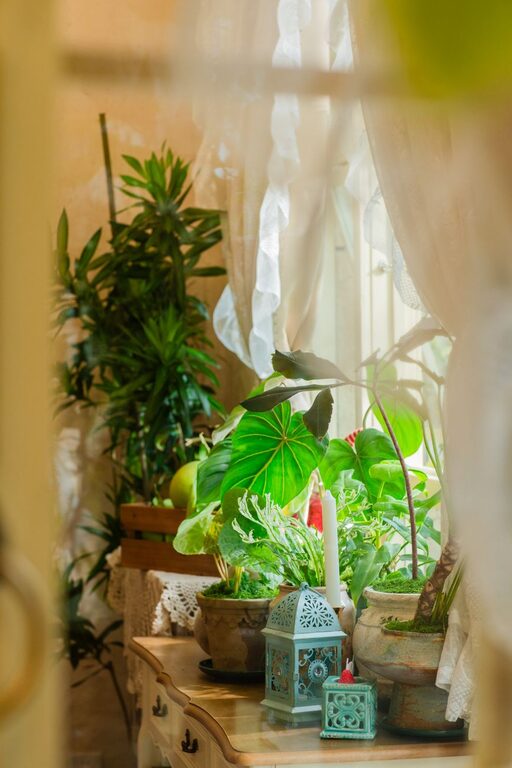
Plants are one of the simplest ways to make a home feel fresher, warmer, and more inviting. They add color, texture, and natural character without requiring a major renovation. Whether you live in a spacious house or a small apartment, a few well-chosen plants can transform the look and feel of your rooms.
Refreshing your home with plants is not only about placing pots on shelves. The right plants, containers, and arrangements can help define spaces, brighten empty corners, and complement your existing style. With a little planning, you can create a green, comfortable home that feels personal and easy to maintain.
Start by Looking at Your Space
Before buying plants, take a walk through your home and notice which areas could benefit from greenery. Look for empty corners, plain shelves, windowsills, and surfaces that feel unfinished.
Pay attention to the light in each room. Some spaces may receive several hours of direct sunlight, while others may only have soft, indirect light. Choosing plants that match the available light will make care much easier.
Also consider the temperature and airflow. Areas near heaters, air conditioners, or frequently opened doors may be less comfortable for some plants. A plant’s location can affect how well it grows, so avoid choosing a spot based only on appearance.
Make a Simple Plant Plan
For each room, consider:
– How much natural light is available
– Whether the space is warm, cool, dry, or humid
– How much room you have for pots and leaves
– Whether the plant will be easy to water
– How the plant will work with your current decor
You do not need to fill every room. A few carefully placed plants often create a stronger visual effect than many crowded pots.
Choose Plants for Different Rooms
Each room offers different conditions and design opportunities. Choosing plants with both factors in mind can help your home look balanced and keep your plants healthy.
Living Room
The living room is often the best place for a larger statement plant. A tall plant in an attractive container can fill an empty corner beside a sofa, bookcase, or window.
Consider plants with interesting shapes, such as a rubber plant, fiddle leaf fig, or bird of paradise. If your living room has lower light, a snake plant or pothos may be a better choice.
Smaller plants can be placed on coffee tables, media units, or shelves. Use a mix of heights to create a relaxed and natural arrangement.
Bedroom
Plants can make a bedroom feel peaceful and comfortable. Choose simple, easy-care varieties that do not take up too much space.
A small plant on a nightstand, dresser, or windowsill can add a gentle touch of green. Hanging plants also work well when floor space is limited. Keep the arrangement simple so the room remains calm rather than crowded.
Kitchen
The kitchen is a natural place for herbs and small edible plants. Basil, mint, parsley, rosemary, and thyme can add freshness while providing useful ingredients for cooking.
Place herbs near a bright window, but keep them away from hot stovetops and areas where they may be splashed with grease or water. Group several herbs in matching pots for a practical and attractive display.
Bathroom
Bathrooms often have higher humidity, which can suit plants such as ferns, spider plants, and some varieties of pothos. If your bathroom has little or no natural light, choose a low-light plant or move plants to a brighter area regularly.
Place plants on a shelf, windowsill, or small stool. Be sure the location allows air to circulate and does not block drawers, doors, or cleaning supplies.
Use Containers to Refresh Your Decor
Plant pots are part of the overall design. Changing the containers can make familiar plants feel new again.
For a clean, modern look, try simple pots in white, gray, black, or natural ceramic. For a warmer style, choose woven baskets, terracotta, or containers with earthy colors. If your home has a bold style, patterned or colorful pots can become decorative accents.
Use containers in different sizes, but keep one element consistent. For example, you might choose pots with similar colors, materials, or shapes. This creates a coordinated look without making every plant match exactly.
Always use a pot with drainage or place the plant in a nursery pot inside a decorative cover. Excess water can damage roots and furniture, so use a saucer or waterproof tray under each container.
Create Eye-Catching Plant Arrangements
A thoughtful arrangement can make a small collection of plants look like a designed feature.
Group Plants in Odd Numbers
Groups of three or five often look more natural than evenly matched pairs. Combine plants with different heights, leaf shapes, and textures. Place the tallest plant at the back and smaller plants in front.
Build a Plant Shelf
A plant shelf can bring life to a blank wall without taking up floor space. Mix plants with books, framed prints, candles, or small objects. Leave some open space so the shelf feels organized rather than crowded.
Trailing plants are especially useful on shelves. Allow the leaves to hang naturally over the edge, creating movement and softness.
Use a Plant Stand
Plant stands lift greenery to different levels and help draw attention to empty corners. A single tall stand can highlight one special plant, while several stands can create a layered display.
Choose stands that suit your furniture. Wooden stands add warmth, while metal stands often work well with modern or industrial decor.
Hang Plants Carefully
Hanging plants are useful in small homes because they use vertical space. They can be placed near windows, in corners, or above kitchen counters.
Before installing a hanging planter, make sure the ceiling or wall can support its weight. Remember that wet soil is heavier than dry soil. Hang plants where watering will not damage floors, furniture, or electronics.
Add Greenery Without Creating Clutter
Plants should enhance your home, not make it harder to move around or clean. Leave clear paths and avoid placing pots where they can be knocked over easily.
Use larger plants to fill empty areas and smaller plants to decorate surfaces. Instead of adding several plants to one crowded table, move some to a nearby shelf or stand.
You can also refresh a room by rotating plants between locations. Moving a plant from a shelf to a side table or from one room to another can give the space a new look without buying anything.
Keep Plant Care Simple
A refreshing home should not become a source of daily stress. Start with plants that match the amount of time you can give them.
Create a basic care routine:
– Check the soil before watering
– Remove dry or damaged leaves
– Wipe dusty leaves with a soft, damp cloth
– Turn pots occasionally for even growth
– Check plants regularly for signs of stress
– Follow the light and watering needs of each variety
Avoid watering every plant on the same schedule. Some plants prefer to dry out between waterings, while others need more consistent moisture. Touch the soil and check the plant’s care instructions before adding water.
Refresh Your Home Seasonally
Plants can also help your home feel connected to the seasons. In spring and summer, use fresh green foliage and light-colored containers. In fall, add terracotta, woven baskets, or warm-toned pots. During winter, evergreen plants and simple arrangements can make rooms feel welcoming.
You can refresh the look without replacing your entire collection. Change the placement of plants, update a few containers, or add a new plant to an overlooked area.
The goal is to create a home that feels fresh, comfortable, and natural. By choosing plants suited to your space, using containers that complement your decor, and keeping arrangements simple, you can bring new energy to every room with just a few thoughtful changes.